Building a new home in Maryland offers a unique opportunity to create the perfect space for your lifestyle. From the tranquil shores of the Chesapeake Bay to the rolling hills of Frederick County and the scenic horse country of Loudoun County, our region provides a diverse and beautiful backdrop for your dream home.
While the idea of a custom-built residence is exciting, it's important to approach the process with a clear understanding of the financial commitment. In this guide, we’ll outline the real cost of building a new home in Maryland and the mid-Atlantic region, from buying land to navigating permit fees and more.
The Foundation: Land Costs
Your journey begins with securing a piece of land, and this is one of the most variable costs you will encounter. Land prices in Maryland and Northern Virginia vary significantly by region. A lot in a sought-after area like Montgomery or Fairfax County will naturally command a higher price than a similar-sized parcel in a more rural setting like Carroll County or the West Virginia Panhandle.
Several factors influence land prices. Proximity to major cities like Baltimore, Arlington, or Washington, D.C., access to quality schools, and nearby amenities all play a role. The lot size and local zoning regulations also determine its value. A property zoned for residential use with existing utility connections will be more expensive upfront, but can save you significant costs down the line compared to raw, undeveloped land.
Building Blocks: Construction Costs
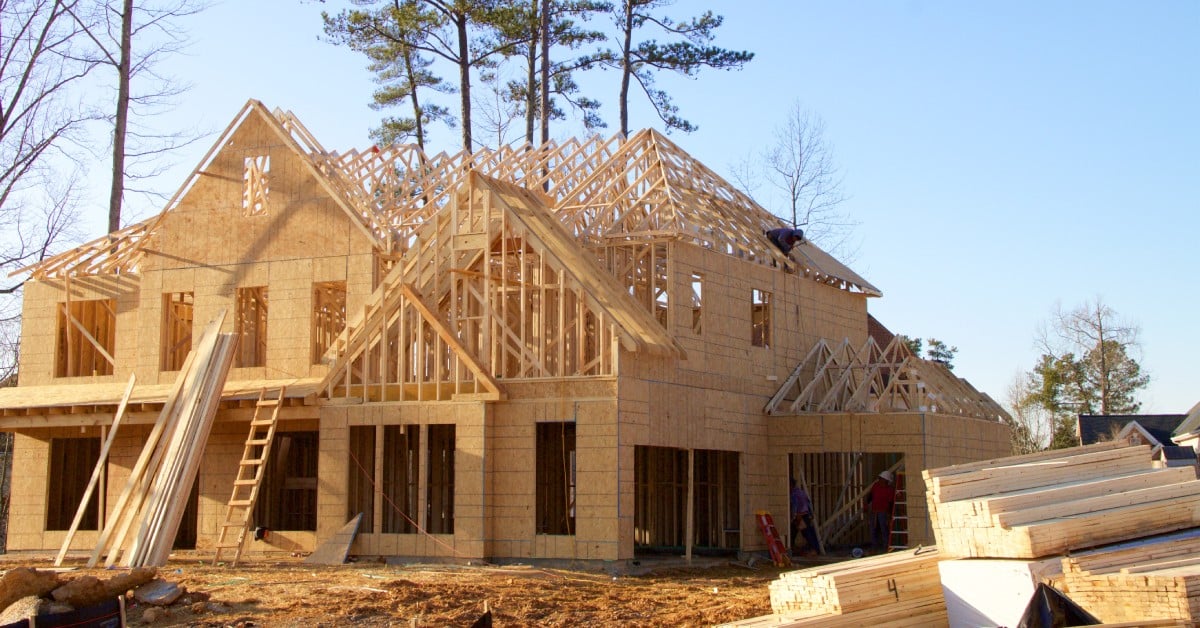
Once you have your land, construction is the next major expense, but it is important to distinguish between the cost of the house itself and the cost of preparing the land. While many buyers anticipate the price of materials and labor for the structure, the lot construction budget is a critical component that is frequently overlooked.
When browsing land listings across Howard County or Prince William County, you will often see phrases like "utilities available" or "recorded lot." While these sound promising, they rarely tell the whole financial story. These descriptions typically do not account for the essential work a site requires before construction work can even begin.
The costs not included in the standard house construction price can be significant. You need to budget for:
- Grading and Siting: Properly positioning the house on the lot and leveling the ground, which can vary depending on whether you are building on the flat coastal plain or the rockier terrain of Western Maryland.
- Stormwater Management: Systems to handle runoff and meet environmental regulations.
- Clearing and Hauling: Removing trees or brush and trucking in necessary dirt or fill.
- Infrastructure: Installing the driveway and connecting utilities from the street to the home.
Because real estate listings for land often omit these details, many buyers are unaware of the financial scope until they are deep in the process. This is why partnering with a knowledgeable builder is so valuable. We explain these costs upfront—details that a land agent may not mention—so you have a transparent, realistic view of your total investment from day one.
Navigating the Paperwork: Permits and Fees
Before you break any ground on your land, you must obtain a series of permits from your local government. These legal requirements verify that your new home will meet all safety and building codes. The specific licenses your project will need and their associated fees can vary considerably from one county to another, whether you are dealing with Anne Arundel County in Maryland or Loudoun County in Virginia.
You will typically need permits for building, electrical, plumbing, and sewage systems, among others. Each of these comes with a fee that contributes to your overall project cost. It's wise to research the specific requirements in your chosen municipality early in the planning process to avoid any surprises. Working with an experienced builder can be invaluable here, as they are familiar with the local permit process across state lines and can help navigate it efficiently.
The Vision: Design and Architectural Fees
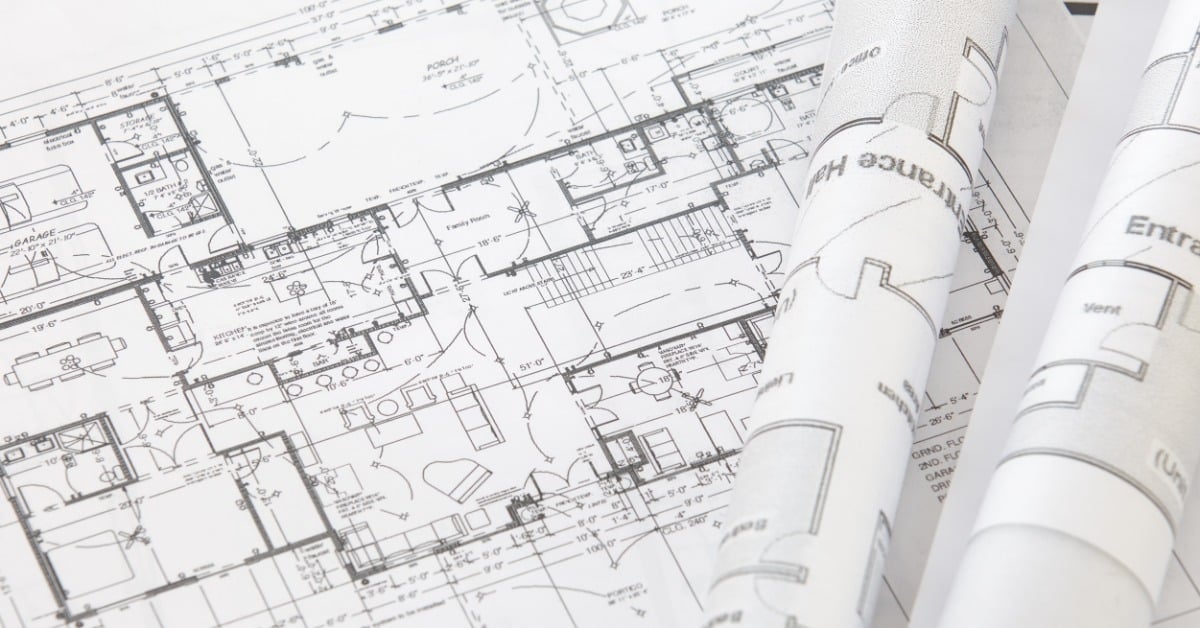
Bringing your dream home to life requires a professional vision. Hiring an architect or a designer is a crucial step in creating a functional and beautiful living space. These professionals charge for their services, and their fees are another critical component of your budget.
Architects can offer a range of services, from creating initial concept drawings to providing full construction oversight. Their fees correlate with the complexity of the home's design and the level of their involvement. A simple, straightforward, pre-fabricated home design will cost less than an intricate, highly customized plan. At the same time, it might seem like an area to save money, a well-designed home can enhance your quality of life and even reduce long-term costs by efficiently using space and energy.
Bracing for the Unexpected
Even with the most precise planning, unexpected costs can arise during a construction project. Issues like poor soil quality requiring extra foundation work, the need to clear more trees than anticipated, or unforeseen drainage problems can add to your expenses. Builders refer to these problems as "site preparation" costs, and they are difficult to predict with complete accuracy.
To protect yourself from these financial surprises, it is essential to include a contingency fund in your budget. Most builders recommend setting aside an additional 10 to 20 percent of your total construction cost to cover unforeseen expenses. This cushion provides peace of mind and will allow your project to continue without interruption, even if challenges arise.

Securing Your Investment: Financing Options
Now that you understand the real cost of building a new home in Maryland, you can assess your financing options. A construction loan is a common financing tool for new home construction. These short-term loans cover the costs of building and typically pay out in installments as construction milestones are met. After construction is complete, lenders often convert the construction loan into a traditional mortgage.
Different lenders offer various types of construction loans, each with its own advantages and disadvantages. Some may offer a one-time close, which combines the construction and mortgage loans into a single transaction, potentially saving you closing costs. It's important to shop around and speak with different financial institutions to find the financing option that best suits your needs and financial situation.
The Long View: Ongoing Costs
The cost of your home does not end when you finish construction. As a homeowner in Maryland or Virginia, you will have ongoing expenses to factor into your long-term budget. Property taxes are a significant recurring cost and are based on the assessed value of your home and land. These rates vary by county and state, so it's a good idea to understand the tax implications of your chosen location.
Homeowner's insurance is another essential expense that protects your investment. All homes also require regular maintenance to stay in good condition. While a new home will have fewer immediate maintenance needs than an older one, budgeting for future repairs and upkeep is a wise financial practice.
Smart Savings: Cost-Saving Strategies
While building a new home is a major investment, there are ways to manage costs without sacrificing quality. Pre-fabricated home designs are excellent options for those who want a quality-built home without paying the exorbitant costs of custom designs.
Consider how choices like standard-sized windows and doors are more economical than custom options, and how a simpler roofline can reduce both material and labor expenses. When you partner with a trusted Maryland home developer like the Hometown Collection, you gain a significant advantage in managing these costs. Our extensive experience allows us to guide you through these decisions, leveraging established processes and relationships to identify efficiencies and secure quality materials within your budget.
Building Your Future in Maryland and Virginia
Building a new home is exciting and costly. By understanding all the potential costs—from land and construction to permits and long-term expenses—you can plan your new home effectively. Opting for a pre-fabricated design for your home is an excellent opportunity to cut costs while still getting the home of your dreams.
If you’re ready to embark on this exciting journey with a trusted partner, contact the Hometown Collection today! We’ll show you how we can help you build your dream home in Maryland or Northern Virginia with clarity and assurance.