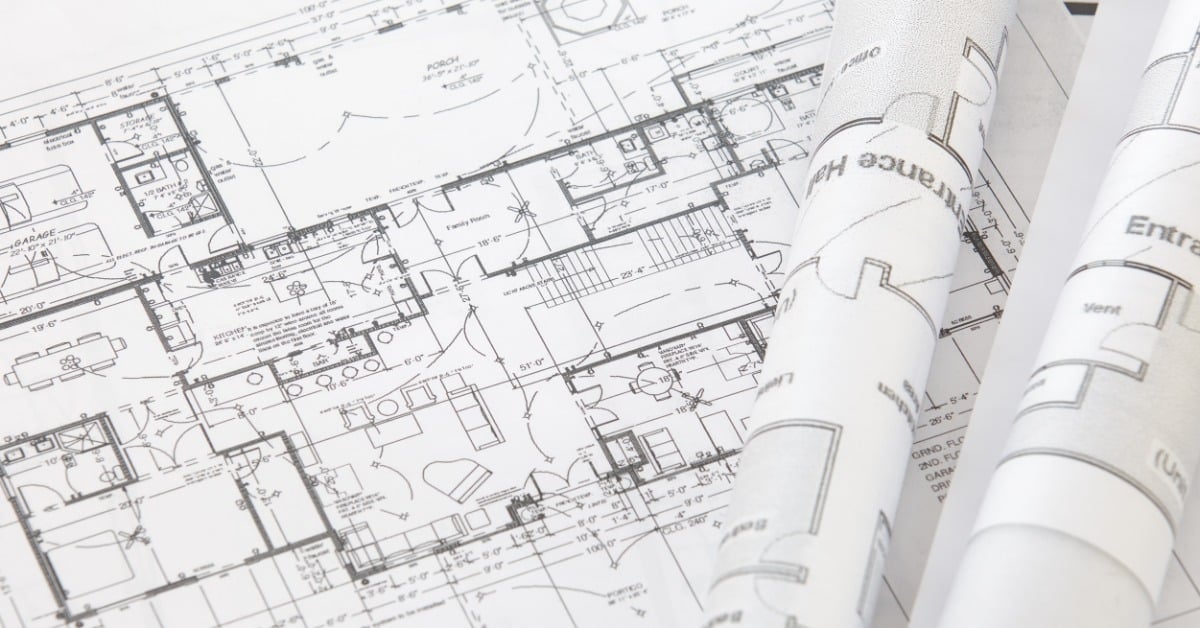
Resale value starts long before a listing goes live. The choices you make in layout, finishes, and functionality shape how buyers feel the moment they walk in, and that emotional response can translate into stronger offers.
If you’re planning a new home in Maryland, treat design as an investment strategy. The goal isn’t to chase trends; it’s to create a home that looks current, lives comfortably, and stays appealing as buyer preferences shift. Below, we’ll show you some of the most important ways that home design impacts resale value.
1) Floor Plan Flow and Function
Buyers pay for a home that feels easy to live in. A layout that connects the kitchen, dining, and living areas in a logical way helps people picture daily life without friction. Floor plans with a clear path from entry to main living spaces avoid awkward bottlenecks. When rooms relate to each other naturally, the home feels larger and more refined, even at the same square footage.
Open Concept with Defined Spaces
Open layouts can sell well when they still provide separation. Ceiling details, half walls, or furniture-friendly room proportions can create “zones” without closing everything off. A space that reads as both open and organized supports higher perceived value. Buyers like flexibility, but they still want places that feel intentional.
2) Kitchen Design That Balances Style and Durability
The kitchen anchors value because buyers associate it with daily comfort and long-term maintenance. A well-designed kitchen signals quality, and it reduces the mental “to-do list” buyers build during a showing. Focus on durable surfaces, cohesive finishes, and storage that makes sense. When everything feels planned, buyers assume the same care exists behind the walls.
Layout and Storage Matter More Than Flash
An oversized island means little if the work triangle feels cramped. Plan landing space beside the range, the sink, and the refrigerator so cooking feels smooth and to contain mess. Add pantry space, deep drawers, and thoughtful cabinet organization. These features create functional luxury that buyers recognize immediately.
3) Bathroom Choices That Feel Clean and Timeless
Bathrooms influence value because they communicate hygiene, comfort, and quality. Buyers notice tile alignment, lighting warmth, and whether the space feels calm or chaotic. Choose classic materials with a modern edge, and avoid finishes that feel tied to a single year. A clean, consistent look supports stronger appraisal perception and buyer confidence.
Primary Suite Comfort Drives Perceived Value
A primary bath that includes a double vanity, a spacious shower, and smart storage can raise what buyers expect to pay. The space does not need to feel extravagant; it needs to feel intentional. Good ventilation, easy-to-clean surfaces, and comfortable lighting all add resale power. Buyers remember how a bathroom made them feel.
4) Natural Light and Window Placement
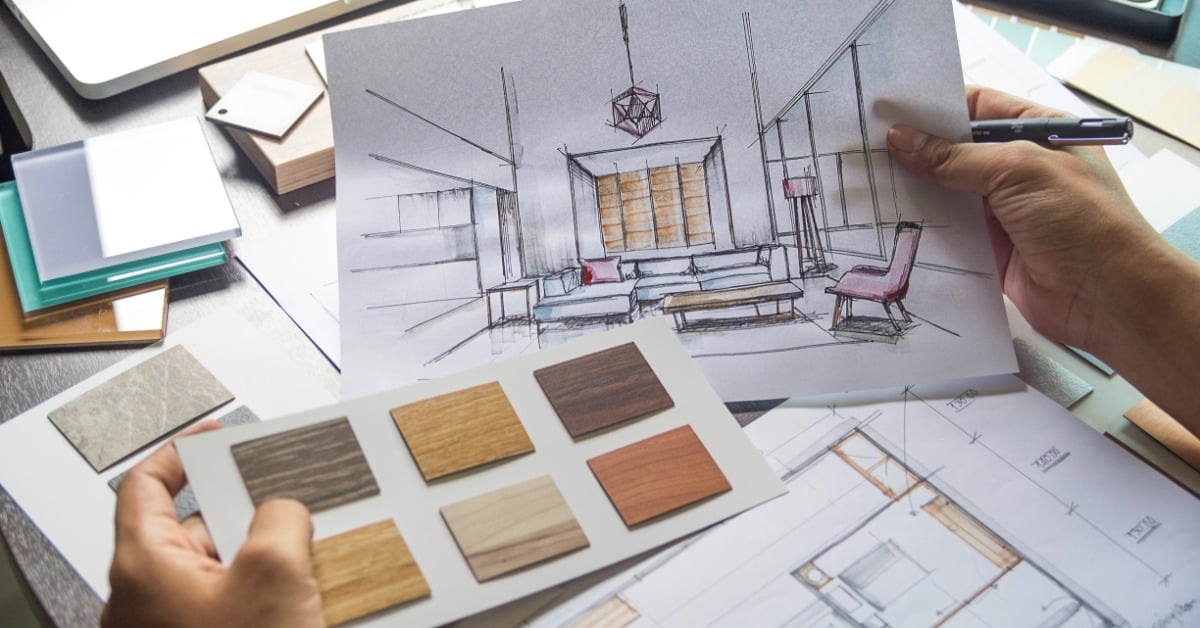
Light changes everything about how a home shows. Buyers respond to brightness because it makes rooms feel larger, cleaner, and more welcoming. Window placement matters as much as window size. Design with furniture layouts in mind so the room stays functional while still pulling in daylight.
Don’t Sacrifice Wall Space
A living room lined with windows can look beautiful, but it can limit furniture and TV placement. Balance natural light with usable walls so the room serves real life. When buyers can imagine their furniture fitting without compromise, they attach higher value to the space.
5) Curb Appeal and Exterior Cohesion
Another way that home design impacts resale value is the exterior and its curb appeal. Strong curb appeal makes the home feel cared for, and it increases perceived value immediately. Match materials and colors in a cohesive palette and avoid clashing textures. A balanced façade feels premium because it looks planned, not pieced together.
Entry Design Creates a First Impression
A covered entry, a welcoming front door, and attractive lighting elevate the entire home. Buyers interpret these details as signs of quality construction and thoughtful design. Landscaping also counts, even in simpler form. Clean lines, healthy plantings, and defined edges can make a home feel higher-end without going overboard.
6) Flooring That Holds Up and Photographs Well
Flooring affects resale value because it touches every room and every showing photo. Buyers also connect flooring to maintenance, durability, and hidden costs. Choose materials that resist scratches, handle moisture, and keep a consistent look across main living areas. Consistency makes the home feel larger and more upscale.
Avoid Too Many Transitions
Multiple flooring changes can make a home feel choppy. Limit transitions and make them purposeful, especially in open living spaces. When the eye flows from room to room without interruption, the home shows better and feels more expensive.
7) Ceiling Height and Architectural Details
Ceiling height influences how spacious a home feels, and buyers respond to that sense of volume. Higher ceilings can improve resale perception, especially in main living areas and the primary suite. Architectural details add character, but they need restraint. The right trim, a subtle coffered ceiling, or well-placed beams can create a custom-feeling result without overwhelming the design.
Details Should Support the Home’s Style
Match trim profiles and ceiling details to the overall architecture. A modern plan with ornate traditional trim can feel incompatible and reduce the sense of cohesion. Cohesive design signals quality. Buyers pay more when the home feels like a complete vision.
8) Energy Efficiency and Comfort Features
Maryland buyers think about utility costs, comfort in changing seasons, and long-term upkeep. Design choices that improve efficiency can strengthen resale value because they reduce future expenses. Insulation, high-performance windows, efficient HVAC systems, and smart ventilation all contribute to comfort. Comfort becomes a selling point because buyers can feel the difference during a walkthrough.
Quiet Comfort Wins Buyers
Noise control adds value even when buyers don’t name it directly. Better windows, solid-core doors in key areas, and thoughtful mechanical planning can reduce noise and improve comfort.
9) Flexible Spaces That Adapt to Real Life
Modern buyers want rooms that support changing needs. A flex room that works as a home office, guest space, hobby room, or study increases market appeal. Design flexibility raises resale value because it expands your buyer pool. More buyers who can “see themselves” in the home usually means stronger demand.
Create Flex Without Wasting Square Footage
A flex space should still feel like a real room, not leftover space. Give it natural light, practical proportions, and enough privacy to function as an office or guest area. A well-designed flex room can justify a higher price because it increases usability without expanding the footprint dramatically.
How To Use These Design Choices If You’re Building in Maryland
You don’t need to maximize every feature to strengthen resale value. You do need to make consistent, buyer-friendly decisions that create a cohesive home. Working with a home builder in Maryland like Hometown Collection can help you on your journey. With pre-designed floor plans, you can choose a layout that fits your lifestyle and adjust the details to fit your household.
Ready To Build with Resale Value in Mind?
If you want a home that lives beautifully now and holds strong value later, let’s talk. Contact our team today to discuss floor plans, design selections, and build options for you.