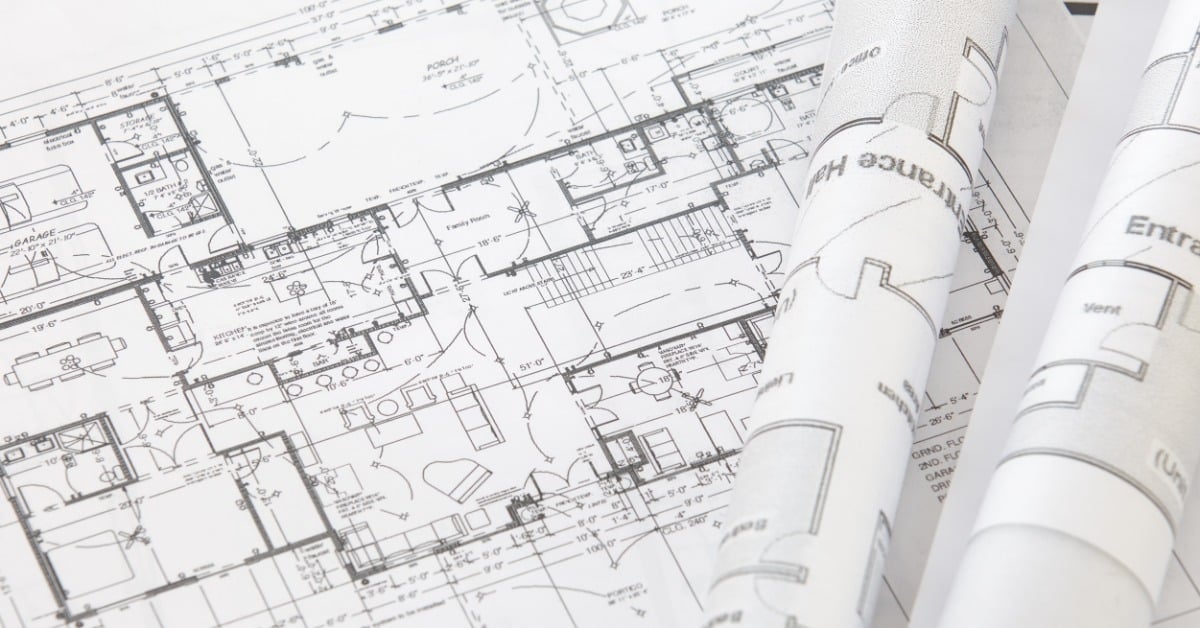
When you start looking at a newly built home, one of the first questions that comes up is simple: how long will it take? Buyers want to know when construction begins, what happens at each step, and when they may be able to move in. A clear timeline makes the process feel more manageable.
A spec home follows a more defined path than a fully from-scratch home build. The floor plan, layout, and many major design decisions are already established before the home reaches the market. That structure helps streamline the process and gives buyers a better sense of what to expect from start to finish. Keep reading to understand more about the timeline of a spec home build, from initial planning to final walkthrough.
What Is a Spec Home?
A spec home is a new construction home built from a builder’s design and construction schedule. Instead of starting with a blank page, the builder selects a floor plan, begins the build, and may complete part or all of the home before a buyer steps in. That approach can shorten the path to move-in compared with a home that begins only after purchase.
Spec homes appeal to buyers who want the benefits of new construction without waiting through every early planning stage. You still get a new home, modern materials, and a layout designed for today’s lifestyles. In some cases, depending on when you buy, you may also have the chance to personalize certain finishes.
The First Phase: Planning, Permits, and Site Preparation
Before construction becomes visible, a significant amount of work happens behind the scenes. The builder finalizes the home plan for the homesite, coordinates engineering details, secures permits, and prepares the lot for construction. This phase lays the groundwork for everything that follows.
Site preparation may include clearing the lot, grading the land, and making sure the property is ready for utilities and foundation work. Local permitting timelines can affect how quickly this stage moves. Weather, municipality review schedules, and site conditions can also influence the pace.
Foundation Work Sets the Pace
Once the lot is ready, the foundation stage begins. Crews excavate the site, form the foundation, and pour the concrete. After that, the foundation needs time to cure properly before the next major step begins.
This phase creates the structural base of the home, so accuracy is critical. Inspections take place at this point in the process to confirm the work meets local code requirements. Those checks help protect the long-term performance of the home.
Framing Brings the Home to Life
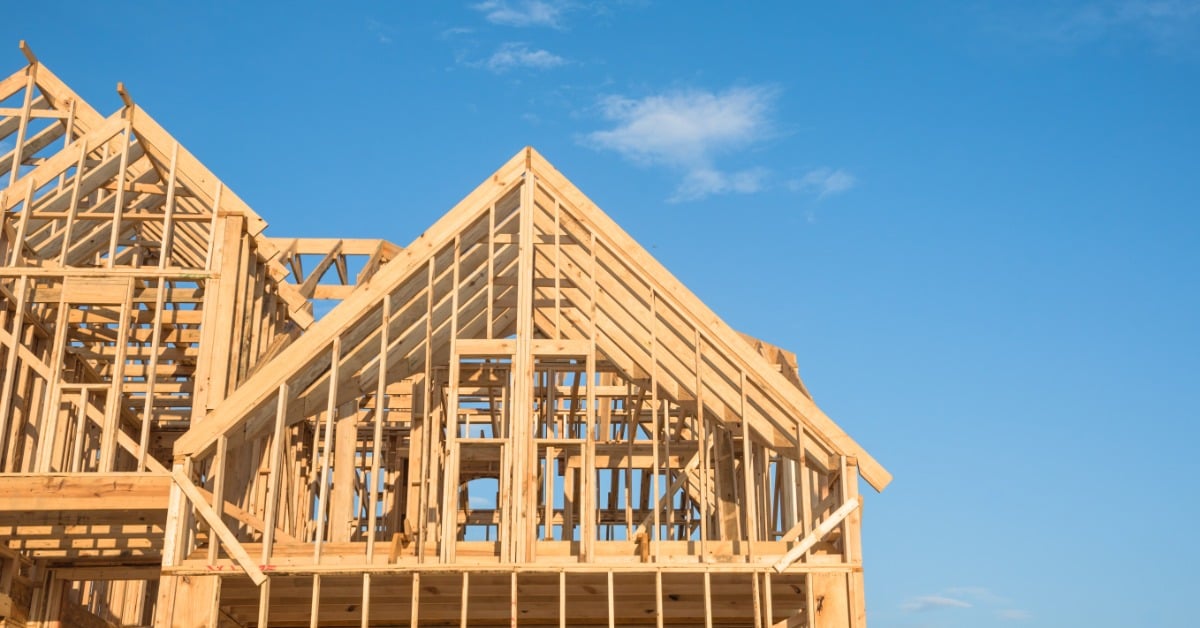
Framing is one of the most exciting stages in the timeline because the home begins to look like a home. Walls go up, contractors build the roof structure, and rooms become visible. Openings for windows and doors define the flow of the floor plan.
During this stage, the pace can seem fast because so much progress happens in a short window. One week, the lot looks bare, and the next week, the home has a recognizable structure. That visual progress gives buyers a much clearer sense of scale, layout, and room relationships.
Mechanical Rough-Ins Come Next
After framing, contractors install the home’s major systems inside the walls and floors. This includes plumbing lines, electrical wiring, and HVAC components. Contractors must coordinate these systems carefully so they work together without conflict.
At this point, the home still looks unfinished, but major progress is happening. The structure now supports the systems that make it livable and comfortable. Inspections are typically part of this stage as well, helping confirm code compliance before closing the walls.
Insulation and Drywall Start to Create Finished Spaces
Once the rough-ins pass inspection, it’s time to install insulation and drywall. This is another major visual shift in the build timeline. Spaces that once showed exposed framing begin to look like actual rooms.
Drywall changes the feel of the home dramatically. The layout becomes easier to understand, ceiling heights feel more defined, and the home starts taking on a finished appearance. Buyers can better picture furniture placement, natural light, and how each area will function day to day.
Interior and Exterior Finishes Move the Home Toward Completion
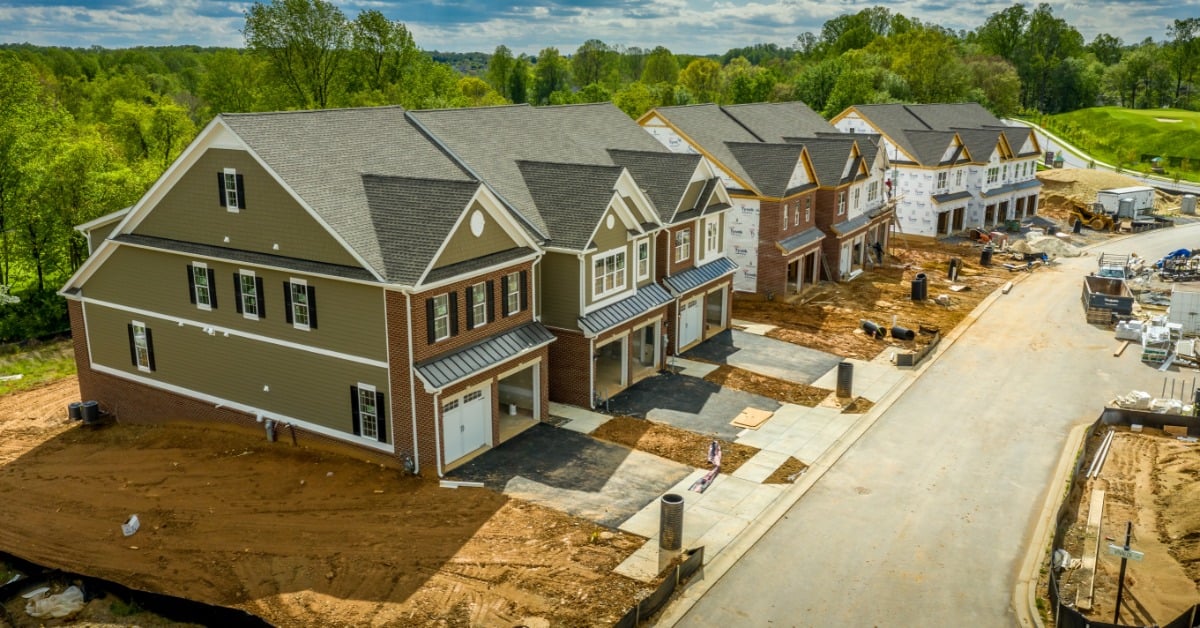
Finish work includes many of the details buyers notice first. Cabinets, countertops, flooring, trim, paint, lighting, fixtures, and exterior materials all come together during this phase. On the outside, crews may complete siding, masonry, driveways, walkways, and landscaping elements depending on the build schedule and season.
Because this stage involves so many trades, it requires careful scheduling. Each team depends on the previous one finishing correctly and on time. Small adjustments can affect the sequence, which is why some finish phases seem busy while others feel slower.
Final Inspections and Quality Checks
As construction nears completion, the home goes through final inspections and walkthroughs. Local officials review the property for code compliance, and the builder also completes internal quality checks. These steps help confirm the home is safe, functional, and ready for occupancy.
This phase can include testing systems, reviewing finishes, adjusting doors and trim, and addressing touch-up items. It may not look dramatic from the outside, but it plays a big role in the buyer experience. The goal is to deliver a home that feels complete, clean, and ready for daily life.
Closing and Move-In
Once the home receives the necessary approvals and final preparations are complete, the process moves to closing. Buyers finalize financing, sign documents, and prepare for move-in. This final step turns the construction project into a completed homeownership experience.
By this stage, most buyers feel a mix of excitement and relief. The build has moved from early site work to a finished home, and each phase has contributed to that outcome. Knowing the path ahead helps reduce stress and keeps expectations grounded throughout the process.
What Buyers Should Keep in Mind About the Timeline
Now that you understand the timeline of a spec home build, there are a few things you should keep in mind. No two home builds move at the exact same pace. Weather, inspections, material availability, and community-specific conditions can all influence timing. Even with a streamlined process, construction still depends on coordination across many moving parts.
From planning and permits to foundation, framing, rough-ins, finishes, and closing, each step builds on the one before it. When buyers understand that sequence, they can make decisions with more confidence. If you are considering a new construction home, learning how the timeline works is one of the best ways to prepare. It gives you a better sense of the process, the milestones to watch, and the moment your future home starts to feel real.
Ready to Explore New Homes in Maryland?
If you are looking for a new home and want a clearer path from construction to move-in, Hometown Collection can help. As Maryland home developers, we can help you explore available homes and communities in the state, as well as Northern Virginia. Reach out to learn more about current opportunities and what stage of the process may fit your timeline best.