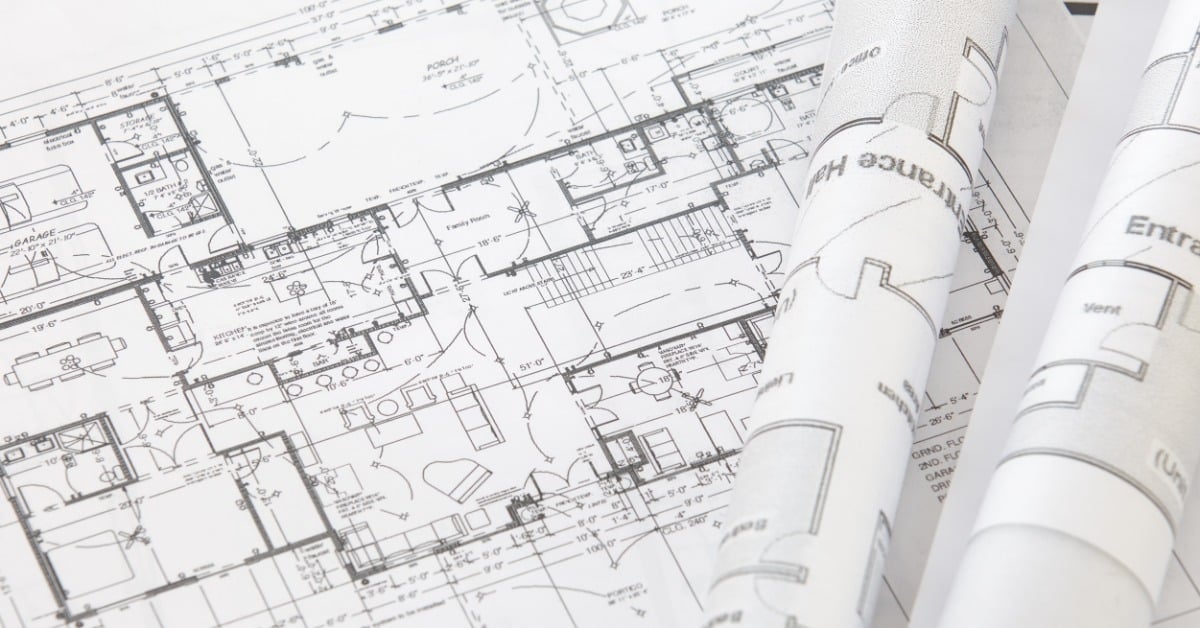
Choosing a floor plan feels exciting, but it can also feel permanent in a way that paint colors and furniture never do. The right layout makes daily life easier, while the wrong layout can create friction you notice every morning, from traffic jams in the hallway to a kitchen that never quite works.
When you focus on how you live, what you value, and what your future might require, you can narrow the options quickly. Below, we’ll show you how to choose the right floor plan for you.
Start With How You Actually Live
Before you compare bedrooms and square footage, pay attention to your habits. Think about where you drop your shoes, how you move through the morning, and how you wind down at night. Notice what frustrates you in your current home, even if it seems small, because those issues usually trace back to the layout. When you define the daily patterns you want to protect, you can spot floor plans that support them.
Define Your Must-Haves, Nice-To-Haves, and Dealbreakers
A long wish list can make every plan seem almost right, which keeps you stuck in comparison. Instead, define a short set of must-haves that reflect your needs, then decide what you can live without. This approach keeps you from paying for features you won’t use and helps you choose a layout with fewer compromises. It also makes conversations with your builder more efficient because you can evaluate plans with the same criteria every time.
Choose Function First, Then Style
People frequently start with trends, like a dramatic kitchen island or a large primary suite. Those features can be great, but function should lead the decision. Ask whether the home supports storage, daily routines, and comfortable movement between spaces. When a floor plan is functional, style becomes easier because you can decorate and personalize without fighting the layout.

Think Long-Term, Not Just Right Now
When choosing a floor plan, consider what’s right for you and in the future. A floor plan should meet your current needs, but it should also accommodate change. Life shifts through career changes, family growth, aging relatives, and evolving hobbies. Northern Virginia buyers frequently plan to stay put once they find the right location, so flexibility matters. A thoughtful layout can save you from major changes later because it adapts as your life does.
Plan For Changing Household Needs
Even if you don’t need extra rooms today, you may need them in a few years. A guest room can become an office, a nursery, or a space for a family member who needs to stay with you for a season. A loft can become a study area, a game space, or a quiet retreat. When you choose a plan with flexible spaces, you keep more options open.
Make The Kitchen Work for Your Routine
A kitchen should support how you cook, snack, and gather. Think about where you prep food, how you move between the fridge and sink, and whether the pantry sits in a convenient spot. Consider whether you need room for two people to cook at once without colliding. A well-planned kitchen can reduce stress and make entertaining feel natural.
Evaluate The Living Space as a Daily Hub
Your main living area should fit your furniture and your habits. Check whether the layout gives you a natural place for seating without blocking walkways. Look at the wall space for a TV, built-ins, or artwork if those matter to you. When the living area has a comfortable balance, the home feels welcoming instead of cramped.
Treat The Primary Suite as a Quality-Of-Life Choice
A primary suite impacts sleep, privacy, and morning routines. Consider how close it sits to noisier parts of the home and whether the bathroom and closet feel practical for daily use. Pay attention to the path from the bedroom to the laundry or storage, because convenience matters. When the suite supports calm and order, it improves your whole day.
Look For Drop Zones and Daily Organization
Think about what happens when you walk in with backpacks, shoes, sports gear, and mail. A plan that includes a practical entry area helps you keep the rest of the home clean and calm. Look for closets in the right places, not just extra square footage. When the plan supports organization, your home feels larger and more peaceful.
Match The Floor Plan to Your Lot and Location
A floor plan should suit the property as much as it suits your lifestyle. Sunlight, slope, driveway placement, and neighborhood patterns can all influence what makes sense. In Northern Virginia, homes may face different directions depending on the community, and that can affect natural light and privacy. When you align the layout with the lot, you get a home that feels intentional instead of forced.
Think About Light, Views, and Privacy
Consider where you want sunlight during the day and where you want shade. If you love bright mornings, you may prefer windows that capture morning light in the kitchen or breakfast area. If you value privacy, you may want living spaces that face away from the street or neighbor sightlines. A strong plan uses the lot to your advantage.

Consider Outdoor Living from the Start
Outdoor spaces work best when they connect naturally to indoor life. Think about whether you want a patio near the kitchen for easy meals outside or a quieter backyard connection from a den. Look at how doors, windows, and traffic flow support outdoor use. When the plan links indoors and outdoors well, your home feels bigger.
Use Pre-Designed Plans as a Smart Starting Point
Many buyers assume they need to begin from scratch to get a home that feels personal. In reality, starting with a well-designed plan can simplify the process while still giving you room to tailor the home to your needs. A plan that has already been refined includes practical details you might not think to request on day one. You can then focus your energy on the adjustments that matter most to your household.
Keep Budget, Timeline, and Complexity in Balance
Every change can affect cost and build complexity. A smart approach keeps the core layout strong and limits changes to areas that deliver daily value. When you work with a reliable home builder, you can have direct conversations about which adjustments provide the best return in comfort and function. That clarity helps you avoid last-minute decisions that create stress.
Choosing With Confidence
You don’t need to find a “perfect” floor plan to make a strong choice. You need a plan that fits your routines, supports the future you can reasonably anticipate, and balances comfort with practicality. When you evaluate layouts through the lens of daily life, you can quickly separate what looks good from what works well. That mindset makes it easier to choose a home that feels right every day, not just on move-in day.
As experienced home builders in Northern Virginia, Hometown Collection offers pre-designed floor plans that will save you time and money in your new home construction. Contact us today to discuss the best floor plans for your new home.